More than two decades after a major tourism carrying capacity study warned that St. Maarten was approaching the limits of what its infrastructure, environment and communities could sustain, large-scale development on the island continues largely unabated. Luxury condominium towers, resort apartments and mixed-use projects aimed at foreign investors are being approved across key tourism districts, raising questions about the long-term sustainability of the island’s tourism model.
The carrying capacity study, completed in 2004, concluded that several areas of the island—including Simpson Bay, Maho and the French–Dutch border regions—were already approaching thresholds for traffic congestion, water supply, sewage capacity and environmental resilience. The report warned that continued large-scale development without stronger planning controls could ultimately undermine both the quality of life for residents and the visitor experience that sustains the island’s economy. Yet development has continued to accelerate.
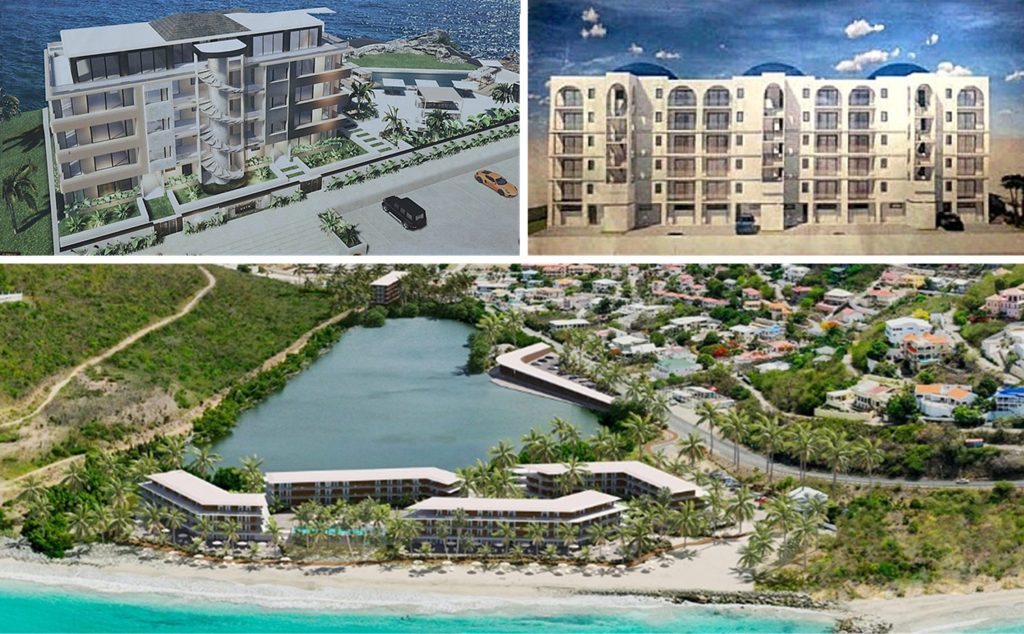
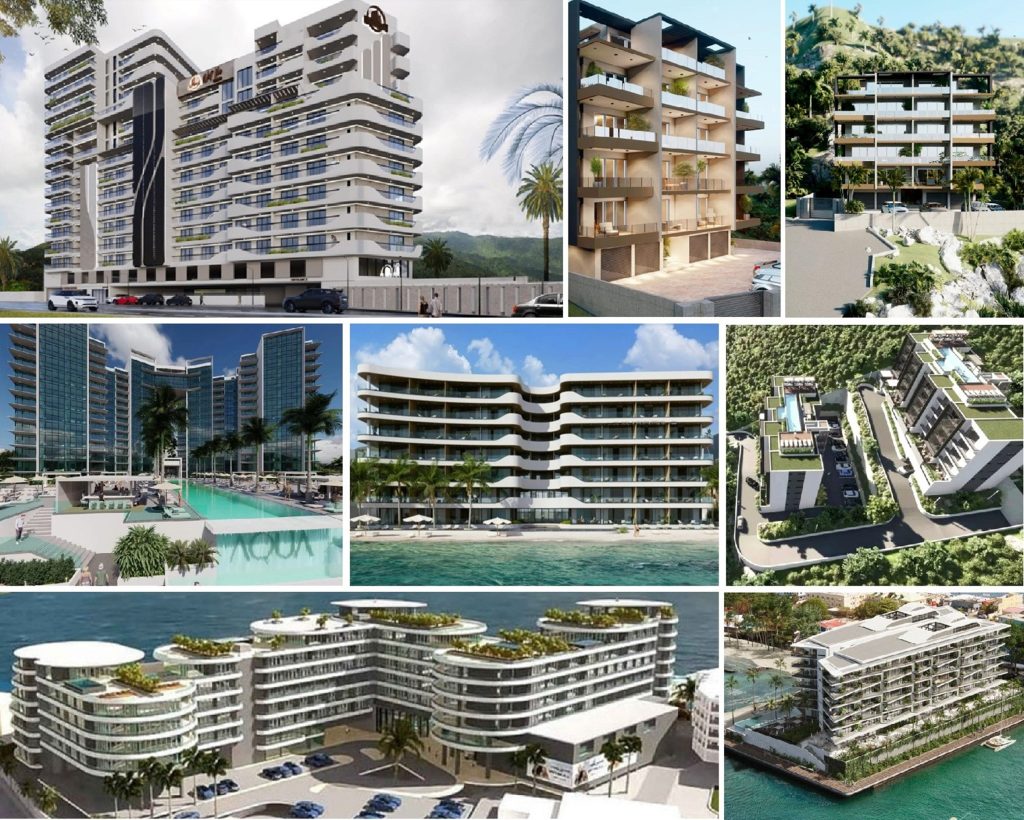
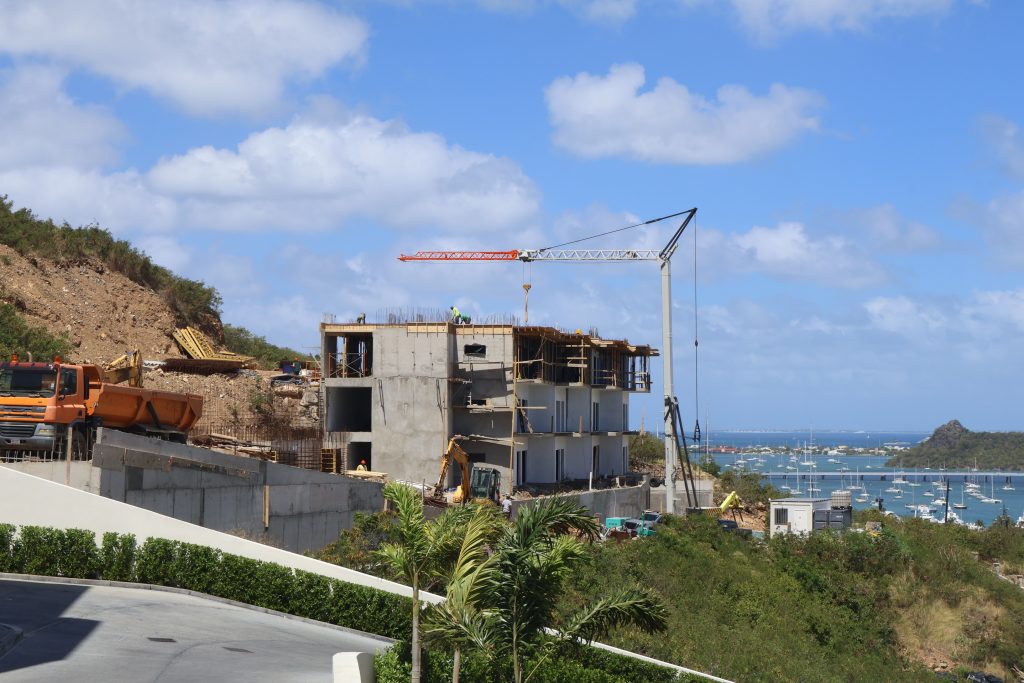
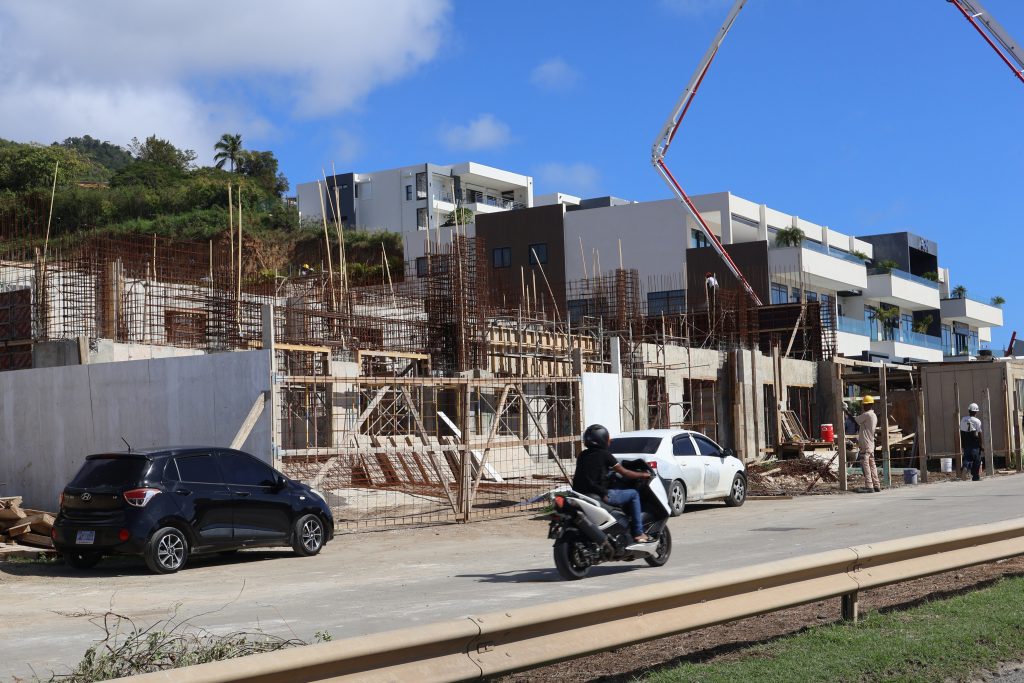
In recent years, new high-rise residential developments have appeared across prime tourism zones, particularly in Simpson Bay, where luxury condo-hotels and apartment towers are being marketed to international investors seeking second homes or vacation rentals in the Caribbean. These projects are often promoted as drivers of economic activity and tourism spending, but they also add pressure to roads, utilities and public infrastructure that were already under strain two decades ago.
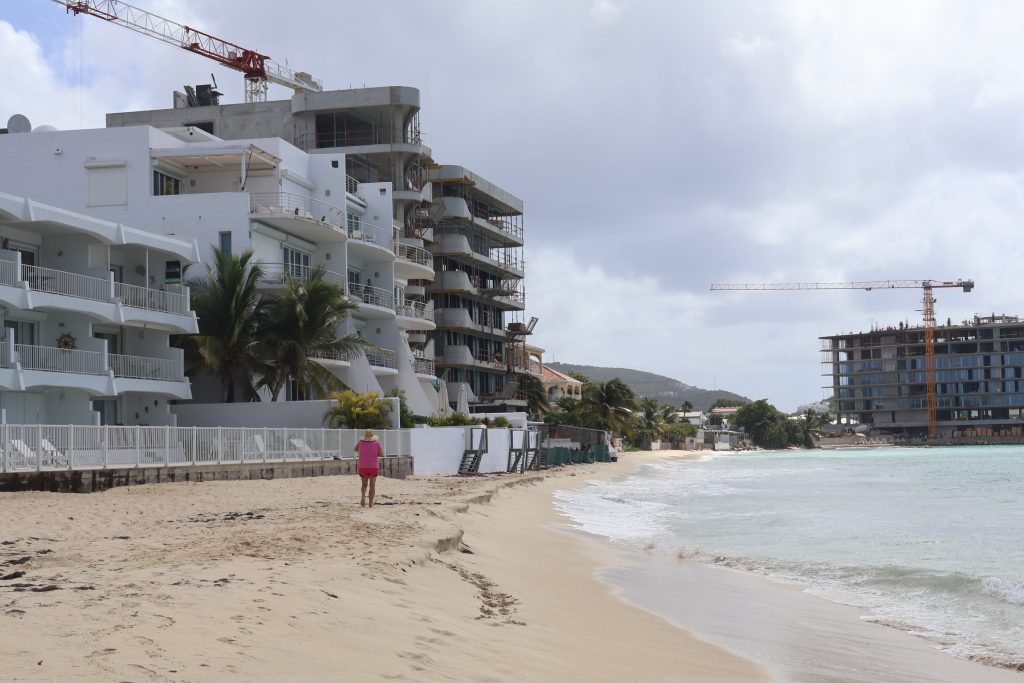
Academic research suggests this pattern is not unique. In his study of tourism development on Caribbean islands, Arjen Alberts describes how destinations such as St. Maarten and Aruba have evolved into what economists call Small Island Tourism Economies (SITEs)—islands where tourism dominates economic activity and shapes nearly every aspect of development.
According to Alberts, both islands had already reached the stagnation phase of the tourism development cycle by the early 2000s. This concept, first proposed by tourism scholar Richard Butler, describes the point at which visitor numbers, population growth and infrastructure pressure begin to converge, placing increasing strain on environmental systems and public services.
The 2004 carrying capacity study reflected these concerns. It warned that traffic congestion, water supply and sewage systems in areas such as Simpson Bay and Maho were already approaching their limits. Continued expansion of tourism infrastructure, the report concluded, risked pushing the island beyond its sustainable capacity.
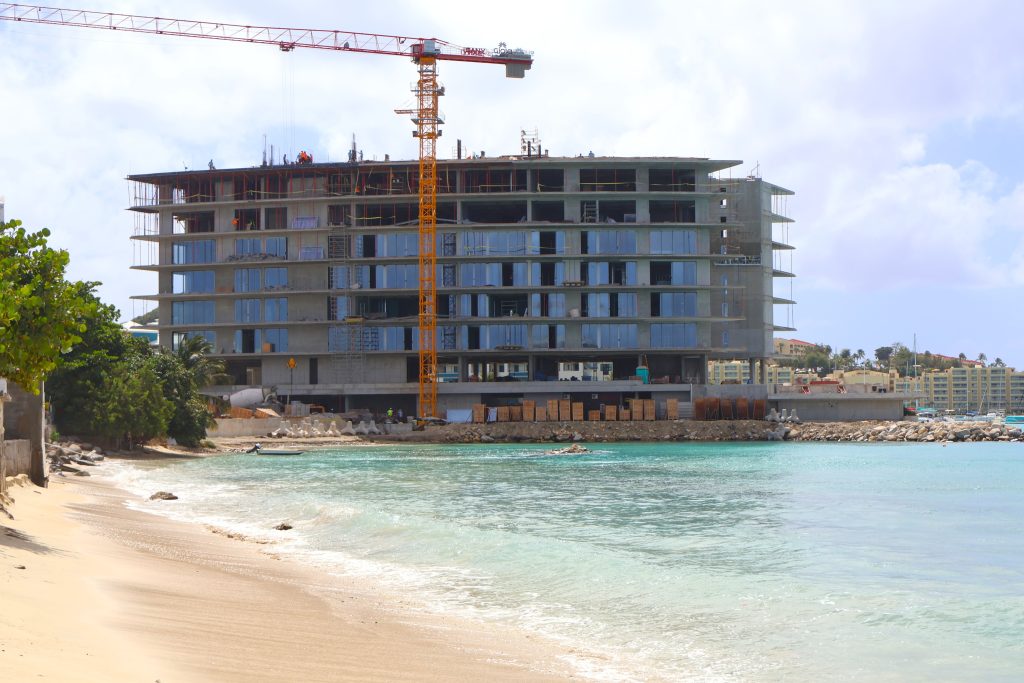
Despite these warnings, the conclusions of the study had little influence on subsequent policy. A Tourism Master Plan prepared soon afterward identified three key goals: increasing the economic yield from tourism, expanding employment and maintaining a high standard of living combined with a good quality of life for residents. Central to this strategy was the objective of increasing visitor spending.
However, the plan also projected a significant expansion of accommodation capacity—an approach that appeared to contradict the earlier findings that the island was already nearing its limits.
Alberts notes that such contradictions are common in tourism-dependent economies. Governments often acknowledge environmental or infrastructure constraints while simultaneously encouraging new investment in hotels, resorts and real estate developments.
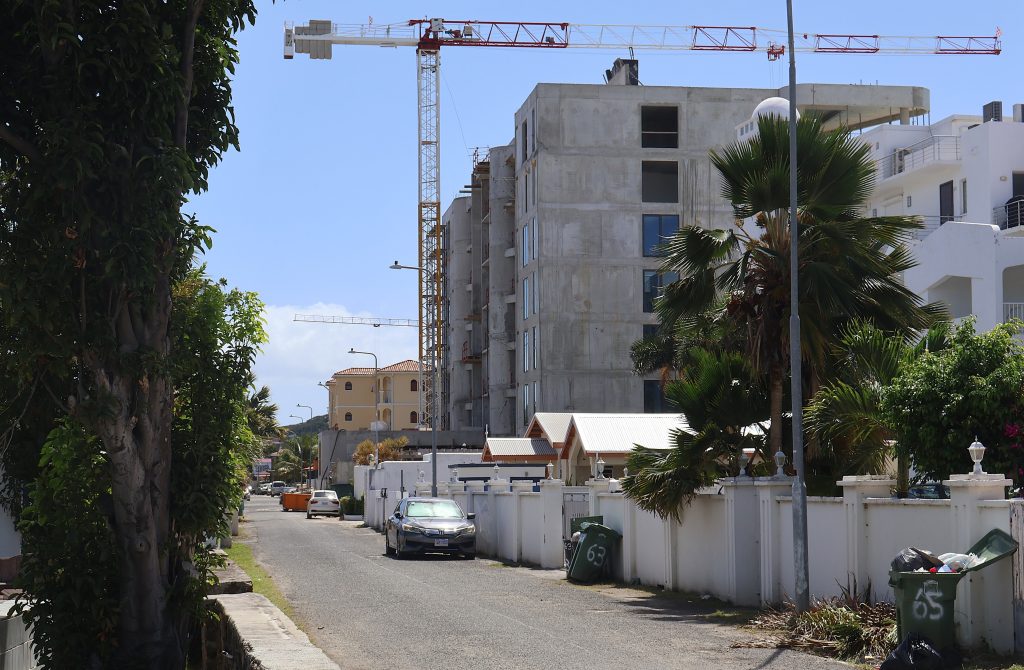
In St. Maarten, the results of this policy tension are visible in the continued approval of large residential and condo-hotel projects across the island.
Planning oversight has also become a central issue in the debate over development. One frequently referenced planning framework is the Simpson Bay Development Plan, a district-level zoning and land-use plan intended to guide building density, heights and infrastructure planning in one of the island’s busiest tourism areas.
Despite being cited for more than a decade by the Ministry of Public Housing, Spatial Planning, Environment and Infrastructure VROMI, the plan remains a draft document that has never been formally enacted into law.
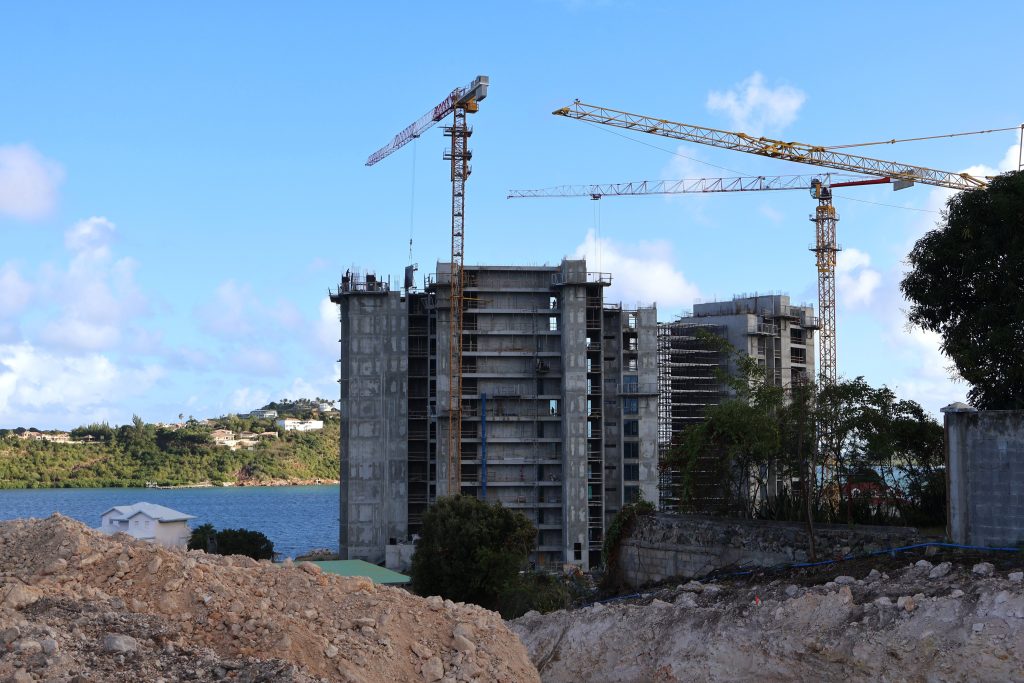
Nevertheless, courts have ruled that the government cannot ignore the standards outlined in the plan when issuing building permits. In a recent case involving a development in the Beacon Hill area, the court annulled a building permit after determining that the project’s height exceeded nine meters and parking provisions had not been properly assessed. The ruling emphasized that although the Simpson Bay Development Plan has not been formally adopted, the government’s consistent reliance on it means its standards must effectively be treated as the guiding framework for evaluating development proposals.
Even as courts reinforce the importance of planning standards, new projects continue to move forward. One development that has attracted public attention is the Morgan Residences project, a 120-unit luxury condo-hotel in the Simpson Bay area that recently secured Civil Works permits. Like many similar projects, it is marketed primarily to international buyers seeking investment opportunities or vacation properties in the Caribbean. Such developments form part of a broader strategy aimed at attracting foreign capital into the island’s tourism-driven economy.
But Alberts’ research suggests that this growth model carries significant long-term risks. His analysis highlights how tourism expansion can place cumulative stress on infrastructure, housing markets and social systems. As tourism grows, population increases through immigration, housing demand rises and environmental pressures intensify.
Labor markets also adapt in ways that reflect the dominance of tourism. Alberts describes a pattern of occupational multiplicity, in which workers combine multiple jobs, flexible schedules or informal work to maintain income in a tourism-dominated economy.
While this flexibility allows tourism economies to absorb shocks in the short term, it can mask deeper structural vulnerabilities. Over time, rising population density, infrastructure strain and environmental degradation gradually erode the resilience of the island economy.
Alberts warns that these pressures may eventually become self-reinforcing. “In a situation of continued weak governance,” he writes, islands such as St. Maarten and Aruba “will likely enter a phase of decline beyond repair.” Negative feedback mechanisms are already visible, including overpopulation, solid-waste disposal challenges and environmental degradation. If these trends continue, they may create what he describes as an accelerating negative spiral.
This scenario corresponds with the later stages of Butler’s Tourism Area Life Cycle model. In that framework, destinations that fail to manage development effectively may move beyond stagnation into decline, as overcrowding, infrastructure failures and environmental stress diminish the destination’s appeal to visitors. For tourism-dependent islands, that shift can have significant economic consequences.
St. Maarten remains one of the most tourism-intensive destinations in the Caribbean, with visitor numbers far exceeding the resident population. Tourism continues to generate employment and foreign investment, and the sector remains the backbone of the island’s economy. At the same time, the pressures associated with intensive tourism development—from traffic congestion to infrastructure strain—are becoming increasingly visible.
The challenge facing policymakers is how to reconcile the economic benefits of continued investment with the physical and environmental limits identified more than two decades ago. Within the Tourism Area Life Cycle framework, destinations in the stagnation stage face a critical choice: pursue rejuvenation by redesigning their tourism model around sustainability and improved planning, or continue expanding until the cumulative pressures begin to undermine the destination itself.